
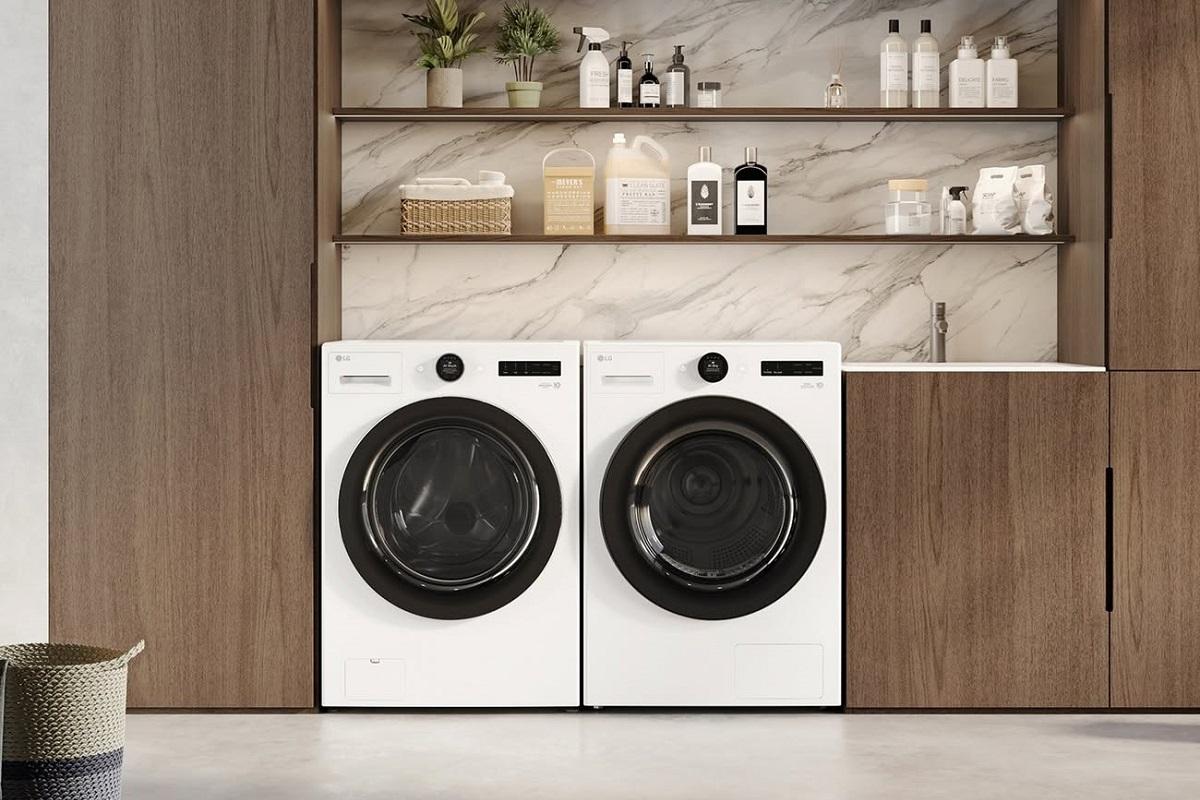
An LG dryer getting too hot can leave clothes excessively hot, make the dryer cabinet feel warmer than usual, or cause loads to take longer to dry. Excessive heat can develop when airflow is restricted or a component responsible for regulating temperature malfunctions.
Overheating can also occur alongside other symptoms. For example, if your dryer makes noise during a cycle, a mechanical component may need attention. Understanding the possible causes can help you determine when basic maintenance is appropriate and when professional service is needed.
Why Is Your LG Dryer Getting Too Hot? Start With These 7 Possible Causes
If you have an LG dryer getting too hot, the underlying issue may involve restricted airflow, improper loading, or a malfunctioning internal component. Because dryers generate significant heat and contain electrical components, internal diagnosis and repairs should be left to a qualified appliance technician.
Here are seven potential causes, beginning with some of the more straightforward issues.
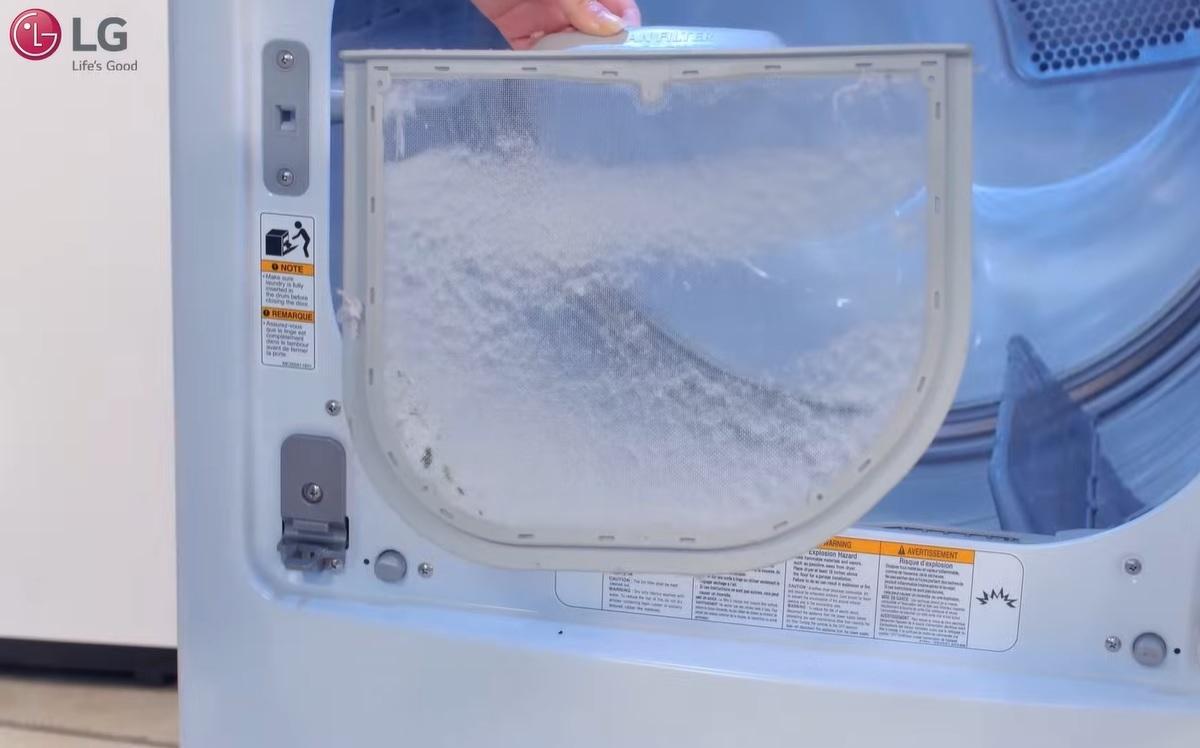
1. The Lint Filter Is Clogged
The lint filter catches fibers and debris released from clothing as the dryer tumbles. Keeping it clean also helps maintain proper airflow through the appliance.
Signs of a clogged lint filter can include:
- Clothes feeling unusually hot at the end of a cycle
- Loads taking longer than expected to dry
- Noticeable lint accumulation on the filter
- Reduced drying performance
When lint accumulates, air may have difficulty moving through the dryer. Heat can remain inside the appliance longer than intended, contributing to higher temperatures.
Cleaning the lint filter regularly is an important preventative maintenance step. Check the filter after each load and remove accumulated lint according to the manufacturer's recommendations. If the filter is clean but the dryer continues getting unusually hot, another airflow or component problem may be responsible.
2. The Dryer Vent Is Restricted
After heated air moves through the drum, it needs a clear path out of the dryer. The venting system carries warm, moisture-filled air away from the appliance and ultimately outside the home.
A restricted vent can interfere with this process. Instead of leaving the dryer efficiently, hot air may remain inside longer. You may notice clothes that are unusually hot at the end of a cycle, longer drying times, or excessive heat around the appliance.
Accessible areas of the exterior vent opening can be visually checked for obvious lint buildup or other obstructions. Avoid moving the dryer or attempting to access internal components. If you suspect a restriction that cannot be safely addressed through routine maintenance, have a professional inspect the venting and dryer.
3. The Dryer Is Overloaded
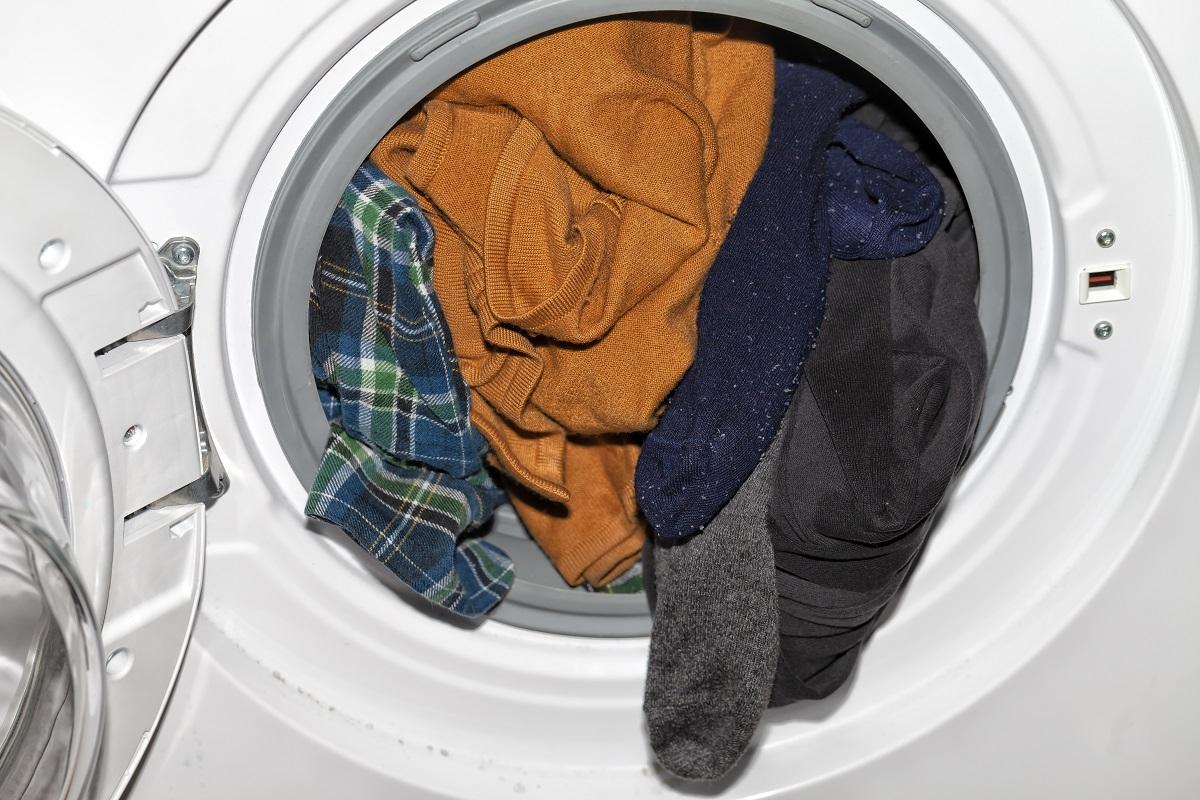
Loading too much laundry into the drum can interfere with both tumbling and airflow. Clothing needs enough space to move while heated air circulates throughout the load.
What happens when the drum is too full?
- Air circulation decreases: Heated air may not move efficiently between tightly packed garments.
- Drying becomes uneven: Some clothes can remain damp while others become excessively hot.
- Cycles may take longer: Moisture has a harder time escaping from tightly packed fabrics, which can extend drying time.
Follow LG's recommendations for appropriate load sizes and avoid packing the drum tightly. If overheating continues with properly sized loads, the problem likely requires further diagnosis.
4. The Blower System Is Malfunctioning
A dryer's blower system plays an important role in airflow. The blower wheel helps move air through the heating system, drum, and exhaust path.
If the blower wheel or another part of the blower system becomes damaged, airflow may decrease even when the lint filter and accessible vent areas appear clear. Reduced airflow can allow excess heat to accumulate inside the dryer.
Depending on the specific problem, you might also notice unusual sounds, longer drying times, or inconsistent drying performance.
The blower system is located inside the appliance, so diagnosing it requires internal access. Do not attempt to disassemble the dryer to inspect the blower wheel. A qualified technician can evaluate the airflow system and determine whether a component needs replacement.
5. A Cycling Thermostat or Temperature Sensor Is Faulty
Your LG dryer relies on temperature-regulating components to help maintain appropriate heat levels throughout a cycle. Depending on the model, thermostats and sensors monitor conditions inside the dryer and help the control system determine when heat should cycle on and off.
When one of these components malfunctions, several symptoms can develop:
- Excessive heat: The dryer may operate at higher temperatures than expected.
- Inconsistent temperatures: Heat levels may fluctuate unexpectedly during a cycle.
- Unusual cycle behavior: The dryer may not respond properly as temperatures change.
- Poor drying performance: Clothes may come out too hot while drying results remain inconsistent.
These symptoms do not necessarily identify which component has failed. Testing thermostats and sensors involves electrical components and internal dryer access, so diagnosis should be performed by a professional appliance technician.
6. The Heating Element Has a Problem
The heating element generates the heat needed by an electric dryer to remove moisture from clothing. Problems with the heating system can affect temperature in more than one way.
While many homeowners associate heating-element failures with a dryer that won't dry clothes, heating-system malfunctions can produce different symptoms depending on how a component has failed.
In some circumstances, a heating-system fault can contribute to excessive or improperly controlled heat. Since the heating element is an internal electrical component, diagnosing it requires professional testing.
Avoid attempting to access or test the heating element yourself. A trained technician can determine whether the heating system, temperature controls, or another component is responsible for the excessive heat.
7. The Dryer Has a Control Board or Electrical Problem
Modern LG dryers use electronic controls to coordinate many of the functions that take place during a drying cycle. The control system receives information from sensors and manages components based on the selected settings.
A control or electrical issue may be worth considering when you notice:
- Excessive temperatures
- Heating that seems inconsistent from one cycle to another
- Unexpected changes in cycle operation
- Multiple performance problems occurring together
These symptoms do not automatically mean the control board has failed. Several components work together to regulate dryer temperature, making an accurate diagnosis important before an expensive electronic component is replaced.
Control boards and electrical systems should only be inspected and serviced by a qualified technician.
Schedule Professional Service for an Overheating LG Dryer
An overheating dryer should not be ignored. Regularly cleaning the lint filter, using appropriate load sizes, and keeping accessible vent areas clear can help support proper airflow and dryer performance. If excessive heat continues after these basic maintenance measures, an internal airflow, heating, sensor, or control problem may be responsible.
D&T Appliance Service can professionally diagnose the cause of the problem and recommend the appropriate repair. If you need dryer repair St. Paul, contact D&T Appliance Service to schedule an appointment and get your dryer operating properly again.