
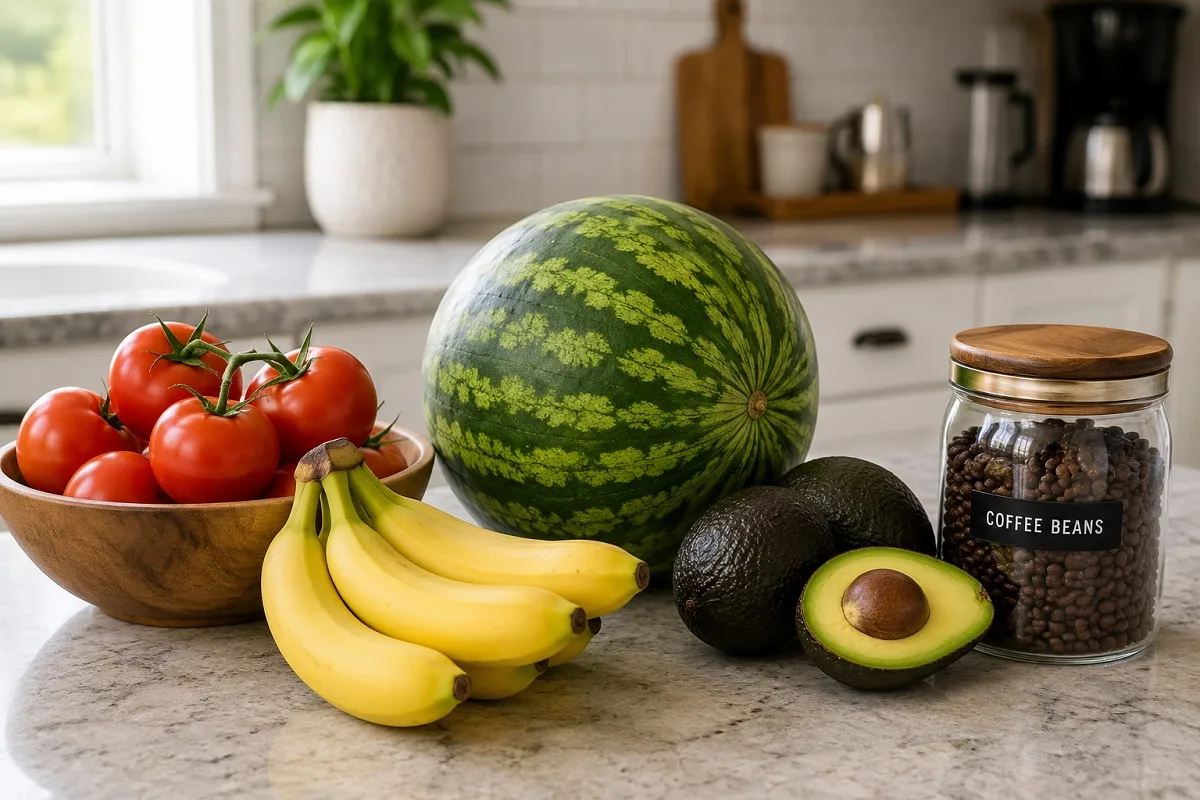
Many people assume the refrigerator is the best place to store every grocery item, but that is not always the case. Knowing about the popular types of food that shouldn't be refrigerated can help to preserve flavor, texture, and freshness while reducing unnecessary food waste. Proper storage also helps your refrigerator operate more efficiently by avoiding overcrowding.
A Smarter Guide to Food That Shouldn't Be Refrigerated Every Home Should Know
Not every fruit, vegetable, or pantry staple benefits from cold storage. Some foods lose their flavor, develop undesirable textures, or spoil more quickly when refrigerated. Understanding the best place to store these everyday items can help you get the most out of your groceries and enjoy better-tasting meals.
1. Tomatoes
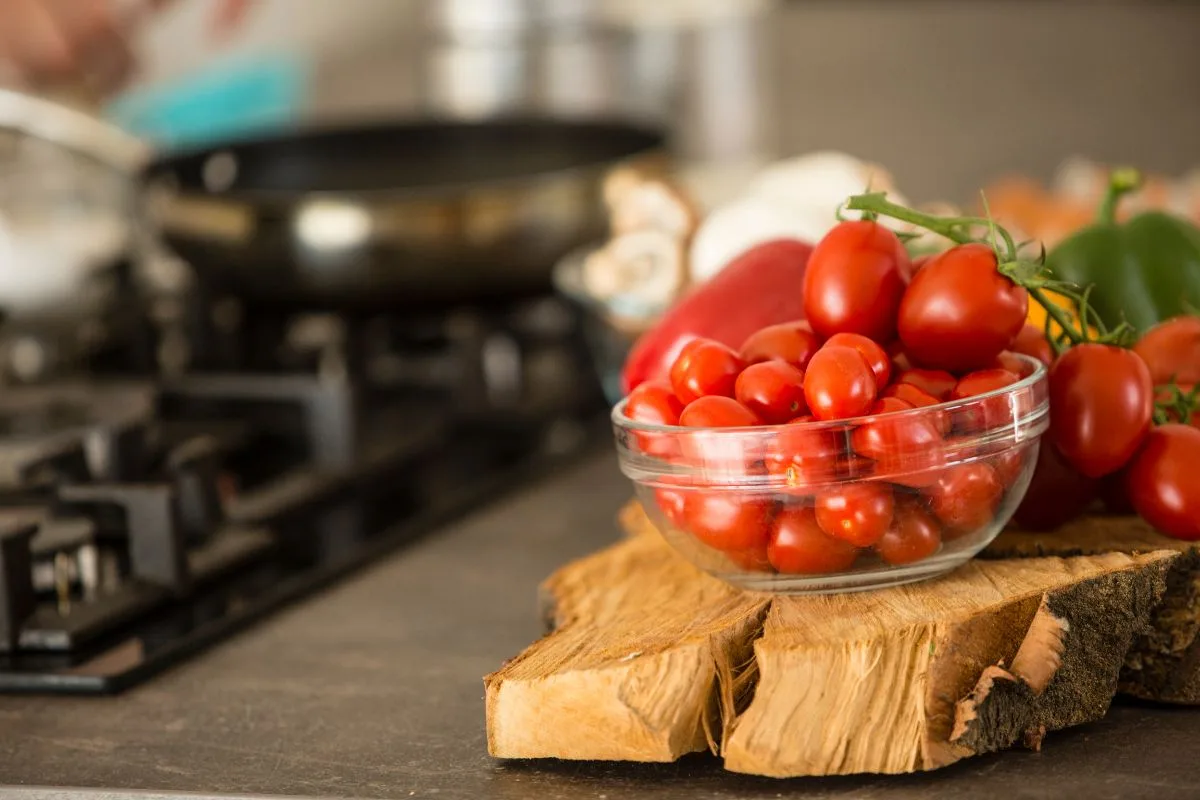
Tomatoes continue to ripen after they are picked, and refrigeration interrupts that natural process. Cold temperatures can make tomatoes mealy, soften their texture, and reduce the rich flavor that makes them ideal for sandwiches, salads, and sauces.
Store ripe tomatoes on the kitchen counter away from direct sunlight and enjoy them within a few days for the best quality. Once they become overripe, they can be used in cooked recipes before they begin to spoil.
2. Potatoes
Potatoes are best stored in a cool, dark, and well-ventilated location instead of the refrigerator. Refrigeration causes the starches inside potatoes to convert into sugars more quickly, which can affect both their taste and texture.
When stored properly, potatoes stay firmer and maintain the consistency needed for baking, roasting, and frying. Avoid storing them in sealed plastic bags, as good airflow helps extend their shelf life.
3. Onions
Whole onions last longest when stored in a dry location with plenty of ventilation. Refrigerators contain moisture that can encourage onions to become soft or moldy over time.
For the best results, keep onions in a basket or mesh bag away from direct sunlight. However, once an onion has been cut, the remaining portion should be wrapped and refrigerated to maintain food safety.
4. Garlic
Garlic also prefers a cool, dry pantry over the refrigerator. Refrigeration can encourage garlic cloves to sprout prematurely and develop a rubbery texture.
Keeping garlic in a breathable container helps preserve its flavor and extends its usable life. Avoid storing garlic in airtight plastic containers that trap excess moisture.
5. Bread
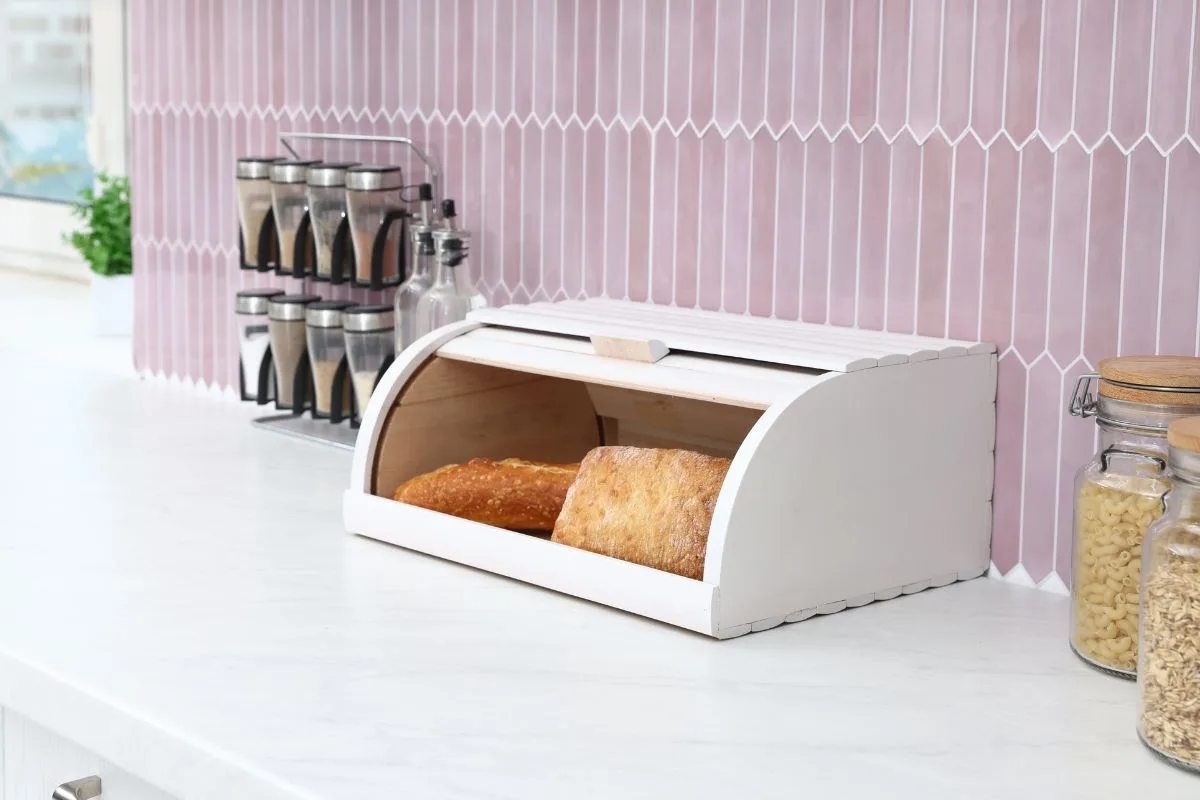
Although many people refrigerate bread to make it last longer, cold temperatures actually accelerate the staling process. Bread often becomes dry and loses its soft texture more quickly in the refrigerator than it does at room temperature.
If you plan to eat the loaf within several days, keep it in a bread box or sealed bag on the counter. For longer storage, freezing is generally a better option than refrigeration.
6. Bananas
Bananas thrive at room temperature while they ripen naturally. Refrigerating bananas too early slows the ripening process and often causes the peel to darken, even though the fruit inside may still be edible.
Leave bananas on the countertop until they reach your preferred ripeness. After that, they can remain at room temperature for a short period before being used in smoothies, baking, or snacks.
7. Avocados
Like bananas, avocados continue ripening after harvest. Placing an unripe avocado in the refrigerator significantly slows that process.
Allow avocados to ripen on the counter first. If they become perfectly ripe before you are ready to use them, refrigeration can help preserve their quality for a few additional days.
8. Coffee
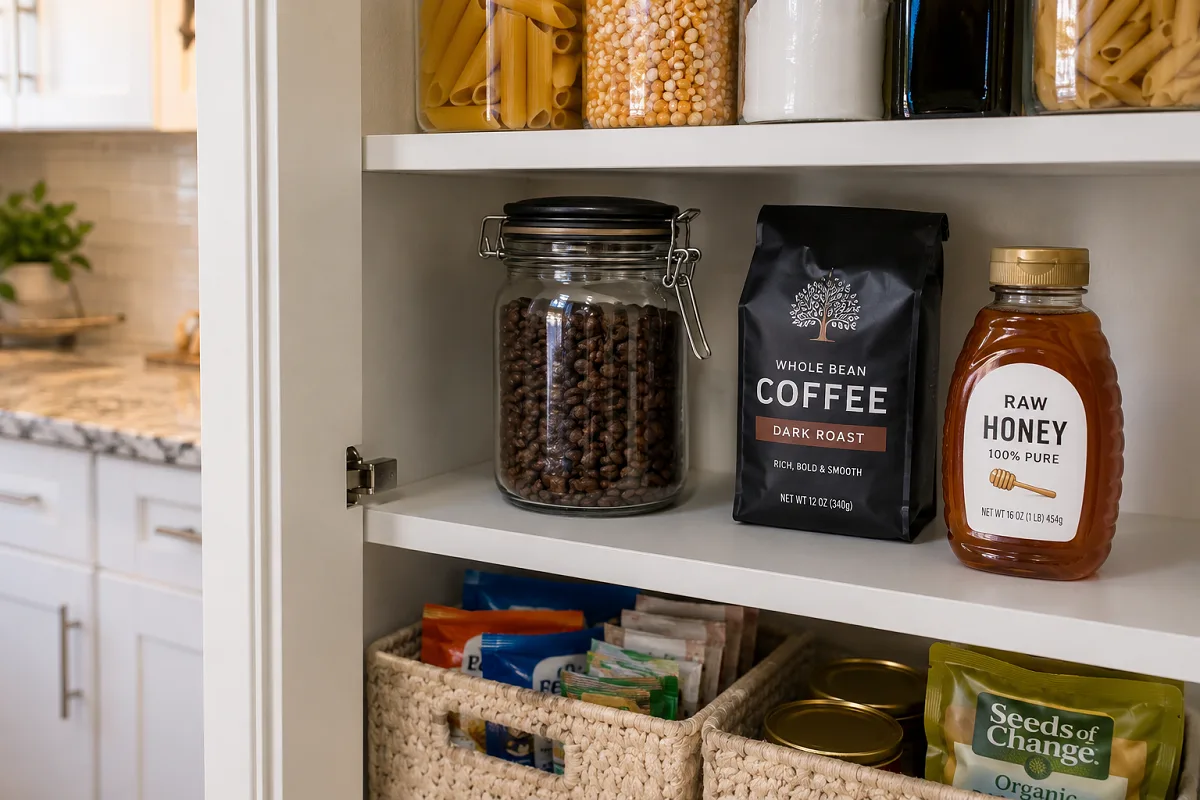
Coffee beans and grounds absorb moisture and odors very easily. Refrigerating coffee may expose it to humidity and surrounding food smells, which can negatively affect the flavor of your morning cup.
Instead, store coffee in an airtight container in a cool, dark pantry away from direct sunlight and heat sources.
9. Honey
Honey is naturally shelf stable and does not require refrigeration. Cold temperatures encourage honey to crystallize more quickly, making it thicker and more difficult to pour.
A tightly sealed container stored in the pantry is usually all that is needed to maintain honey's quality for an extended period.
10. Whole Melons
Whole watermelons, cantaloupes, and honeydew melons can be stored at room temperature before they are cut. Keeping them on the counter allows them to continue developing flavor.
Once a melon has been sliced, the remaining pieces should be refrigerated in a covered container to maintain freshness and food safety.
When Refrigeration Problems Affect Food Storage
Even when you store foods correctly, your refrigerator still plays a major role in keeping perishables fresh. If produce freezes unexpectedly or dairy products become icy, it may indicate that your refrigerator is freezing food because of an underlying mechanical problem.
Likewise, persistent unpleasant smells are not always caused by forgotten leftovers. Learning about the common causes of refrigerator odor can help you determine whether the issue is related to food storage, cleaning, or a developing appliance problem.
If your refrigerator struggles to maintain a consistent temperature, it may shorten the shelf life of refrigerated foods or create uneven cooling throughout the appliance. Understanding common refrigerator temperature issues can help you recognize when it is time to have your appliance inspected.
Final Recommendations
Choosing the right storage location for your groceries helps preserve freshness, improve flavor, and reduce unnecessary food waste. While many foods belong in the refrigerator, others stay at their best in a cool pantry or on the kitchen counter.
If your refrigerator is freezing food, failing to keep items cold enough, or showing other signs of inconsistent performance, it is best to have it professionally evaluated. The experienced technicians at D&T Appliance Service can accurately diagnose the problem and recommend the appropriate solution. If you need dependable refrigerator repair service in St. Paul, D&T Appliance Service is ready to help keep your refrigerator operating at its best.